- Dec 18, 2024
Academic dishonesty is here to stay
- Clive Forrester
- Academia
- 0 comments
It's that time of year again, the end of the semester, when you can almost set your watch by the chorus of professorial complaints about the quality of student work. Grading papers, it seems, is always a Herculean task just before the holidays. But this year, something felt different. The grumbling wasn't just about poor writing, it was about whether the writing was even done by students at all. Scrolling through the /professors subreddit, it was clear that AI-generated assignments were no longer a novelty; they were becoming the norm. It seems the large language models (LLMs) like ChatGPT, which burst onto the scene just two years ago, have been working overtime. And they're not just helping students; they've completely disrupted the ghostwriting industry, leaving universities scrambling to update their academic integrity policies. A recent article in The Chronicle of Higher Education titled "Cheating Has Become Normal" confirms what many professors are seeing firsthand. It's a strange new world in academia, and it's not entirely clear what the rules are anymore.
The new norm
Let's be honest, any professor who's been around the block a few times could have seen this coming. Cheating in academia isn't exactly a new phenomenon. It's like that persistent cockroach in the kitchen – you might get rid of one, but another always seems to pop up. In the past, cheating required a certain level of effort, a commitment to the dark arts of academic dishonesty.You either had to shell out a significant chunk of change to pay someone – a real person, mind you – to write your essay, or you had to develop the skills of a master ninja to sneak cheat notes into an exam room. Occasionally, you'd hear whispers of some legendary student who managed to pull off a heist worthy of Ocean's Eleven and get their hands on an exam paper in advance. But that was rare. For the average student, cheating was simply too much work, too much risk.
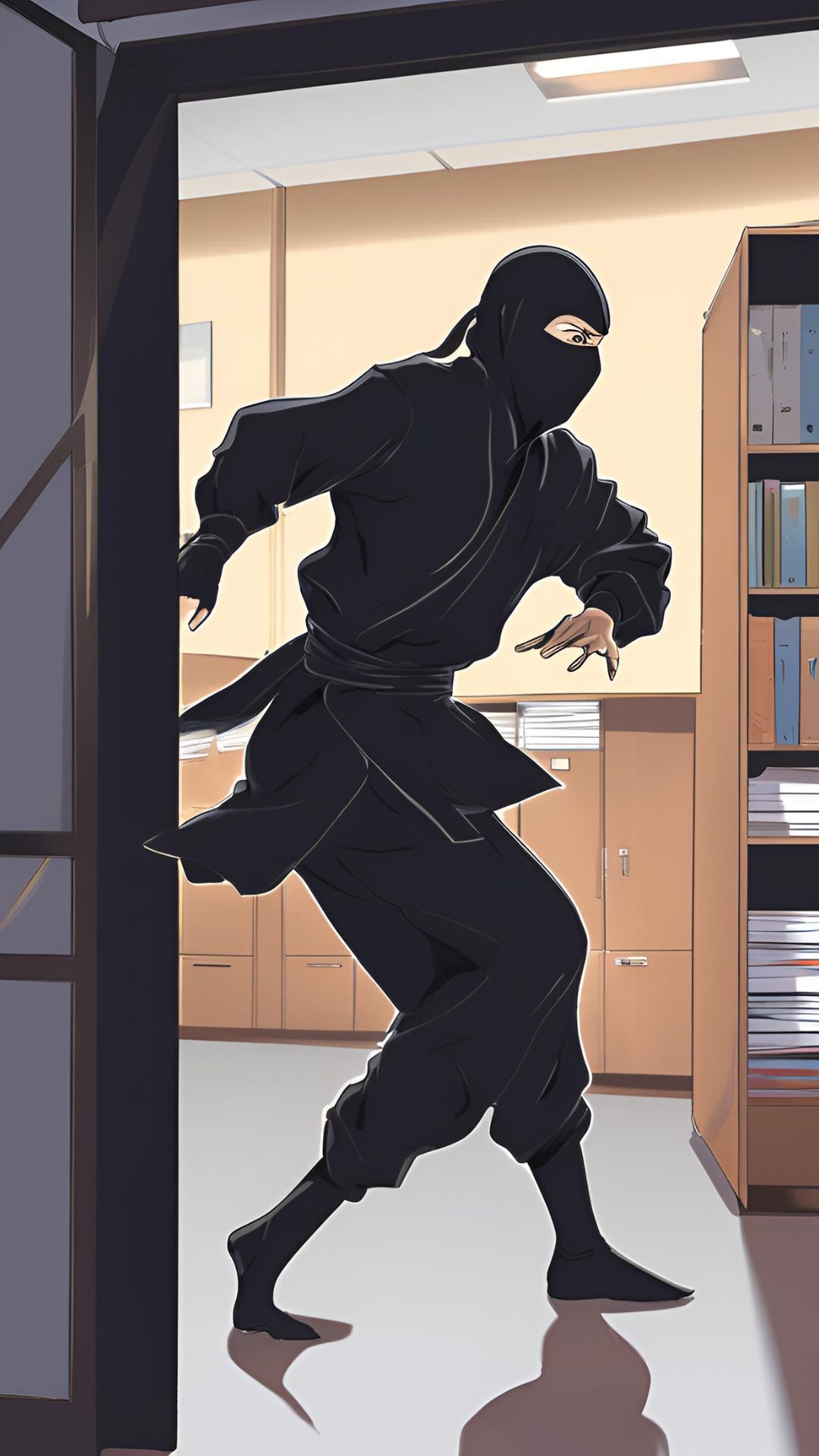
And even if you were willing to take the plunge, there was the social stigma. Getting caught cheating wasn't just an academic offense; it was social suicide. You'd be branded with a scarlet letter, ostracized from the ranks of the intellectually honest. Cheaters occupied the lowest rung on the social ladder, even lower than those who genuinely struggled academically.
But then came AI, like a digital Pandora's Box, unleashing a torrent of readily available, easily accessible cheating tools. Suddenly, anyone with a laptop and an internet connection could become a master of academic deception. No more panicked glances, no more frantic scribbling on tiny pieces of paper, no more elaborate schemes to access exam papers. Just a few clicks, a few prompts, and voila! – a "perfectly" crafted essay, a flawless exam answer.
AI has not only lowered the bar for cheating, it's ripped the bar off its hinges and tossed it into the dumpster. And in doing so, it has exposed a rather uncomfortable truth: the desire to cheat was always there, simmering beneath the surface. It was just waiting for the right opportunity, the right technology, to make its grand entrance. And now, it seems, the party has begun.
Profs should shoulder some of the blame
Before we get too carried away with condemning our students, perhaps a bit of self-reflection is in order. We professors, particularly in the humanities and social sciences, need to take a long, hard look in the mirror. For decades, we've clung to the essay as the holy grail of assessment. The long-form composition has reigned supreme, often serving as the single measure of a student's competence in the subject area. We've somehow convinced ourselves that the only way to demonstrate mastery of a concept in the humanities is to churn out a ten-page essay.

This approach, while perhaps well-intentioned, has become stale and predictable. For years, it was considered relatively cheat-proof. Sure, there was always the option of paying someone to write your paper, or the risk of getting caught plagiarizing. But for the most part, students had to grit their teeth and simply do the work. The essay became an academic rite of passage, something to be endured rather than enjoyed.
But the world has changed. Technology has evolved. And we, as educators, need to evolve with it. We need to ask ourselves: are there more innovative, engaging ways to assess student learning? Can we tap into their creativity, challenge their critical thinking skills, and still ensure they're meeting the learning outcomes?
The answer, unequivocally, is yes. There are a multitude of assessment tools out there, just waiting to be explored. We can incorporate multimedia projects, oral presentations, debates, collaborative research projects, and even simulations. The possibilities are limited only by our imagination and willingness to step outside our comfort zones.
Any professor who takes the time to think creatively, to consult with colleagues, and to experiment with new approaches can discover a wealth of assessment options that are engaging, challenging, and less susceptible to AI-assisted cheating. It's time to break free from the dominance of the essay and embrace a more dynamic, innovative approach to assessment.
Uncertainty ahead
So, where do we go from here? The truth is, the future of academic integrity feels a bit like navigating a dense fog. Even the most determined student can now, with the help of AI, generate an essay that could slip past any plagiarism detector we throw at it. Instructors are left feeling demoralized, their role increasingly reduced to that of AI police, constantly on the lookout for digital deception.
And let's not forget the shifting cultural landscape. The stigma associated with cheating seems to be fading, replaced by a sense of entitlement and a lack of accountability. The modern student, it seems, is less concerned with the ethical implications of cheating and more concerned with not being offended in the process. If you think the current situation is dire, I hate to break it to you, but it's likely to get worse before it gets better. As long as universities cling to their outdated assessment methods, we're on a collision course with a future where AI becomes the ghostwriter for an entire generation of students.
In fact, the writing's already on the wall. A recent thread on the /professors subreddit suggested that professors should fight fire with fire and use AI to grade student papers. Call it an act of resistance, call it surrender, but I wouldn't be surprised if this is already happening.
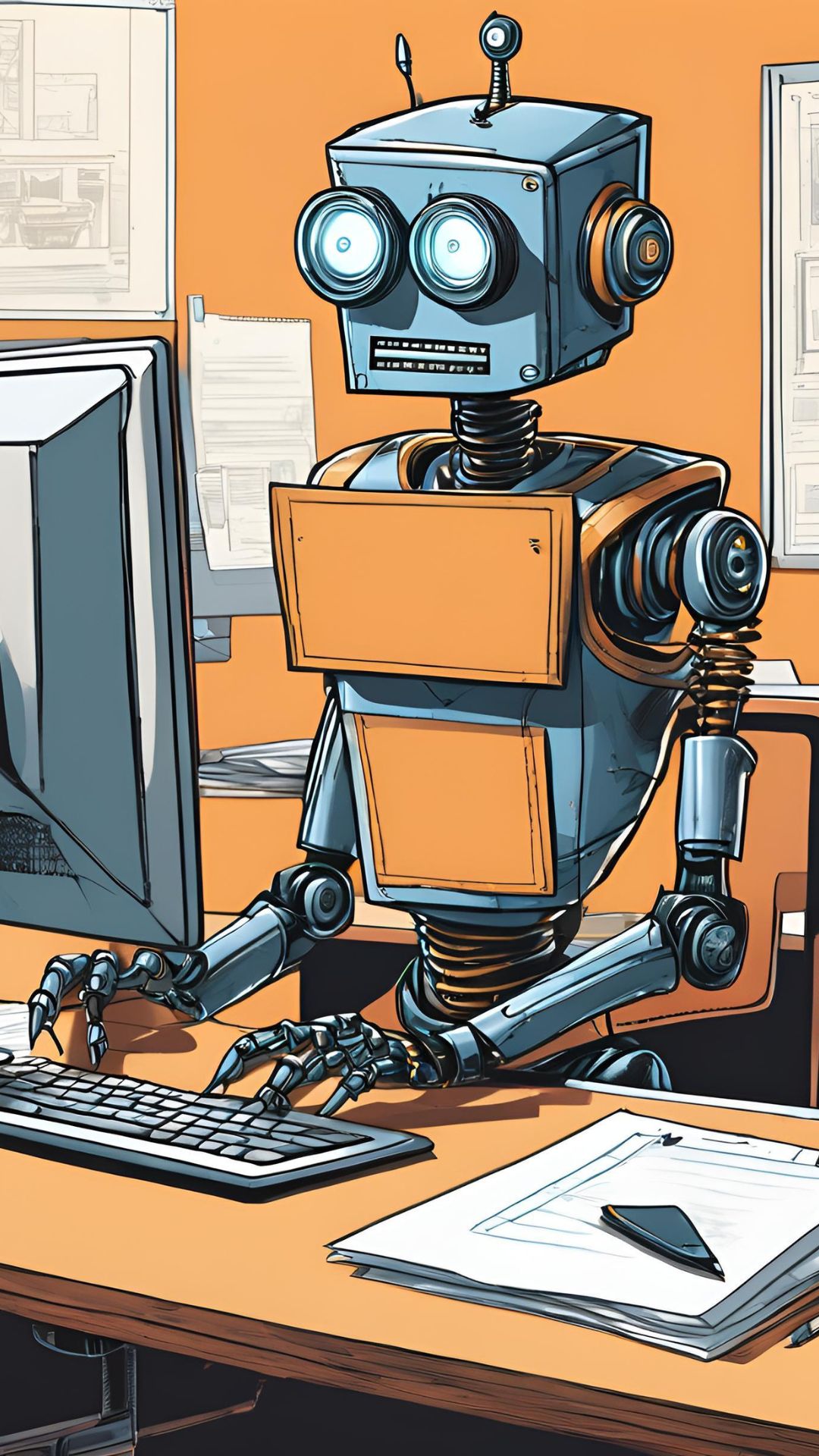
Both students and instructors are exhausted by the end-of-term dance of drudgery. The professor assigns the same tired essay they've been assigning for years, the students begrudgingly churn out subpar work, the professor laments the decline of academic standards, the students haggle for higher marks, and finally, the professor, weary of the fight, capitulates. The students walk away with inflated grades that mean less and less.
Who can blame both sides for wanting to escape this death spiral? Offloading the entire charade onto AI might seem like the easiest solution, but it's a Faustian bargain. We need to find a better way, a way to restore integrity, creativity, and genuine learning to the university experience. It's time to rethink our assessment methods, embrace innovation, and reclaim the soul of higher education. The future of our universities depends on it.
Join the mail list
Liked this blog? Consider signing up to get a notification for new posts.